Week 1
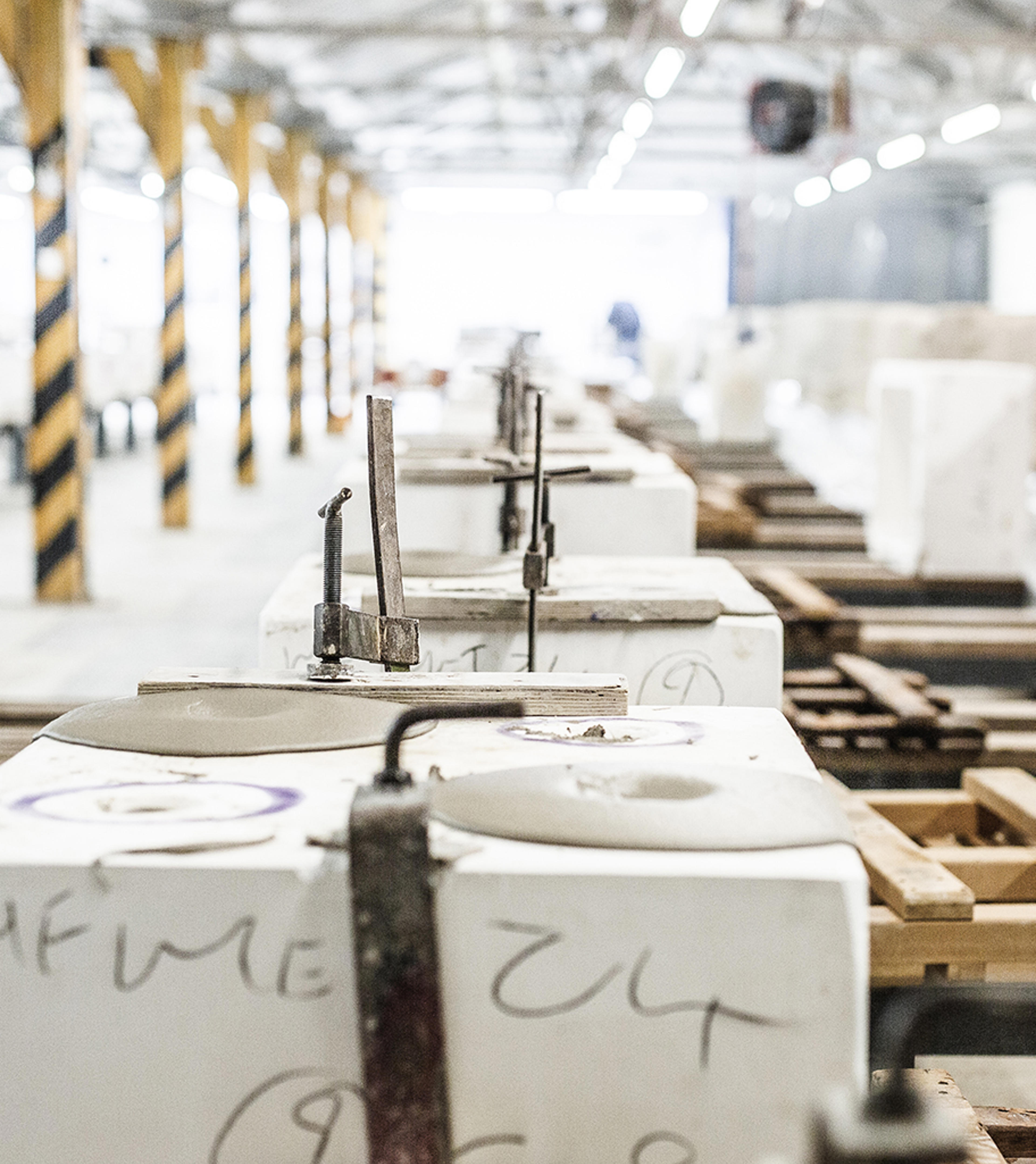
Skilled Master Mould Makers use a unique plaster mix to make each mould by hand. At the same time, heavy duty fireclay is carefully blended and slowly mixed before being rested. Fireclay is a natural material that requires skillful handling. The blend must be right if the sinks are to achieve their trademark durability.
Week 2
Molten fireclay is poured by hand into the mould before being rested. The mould is then removed and the rough sink is hand-finished to perfection by a Master Craftsman with over 10 years’ experience.
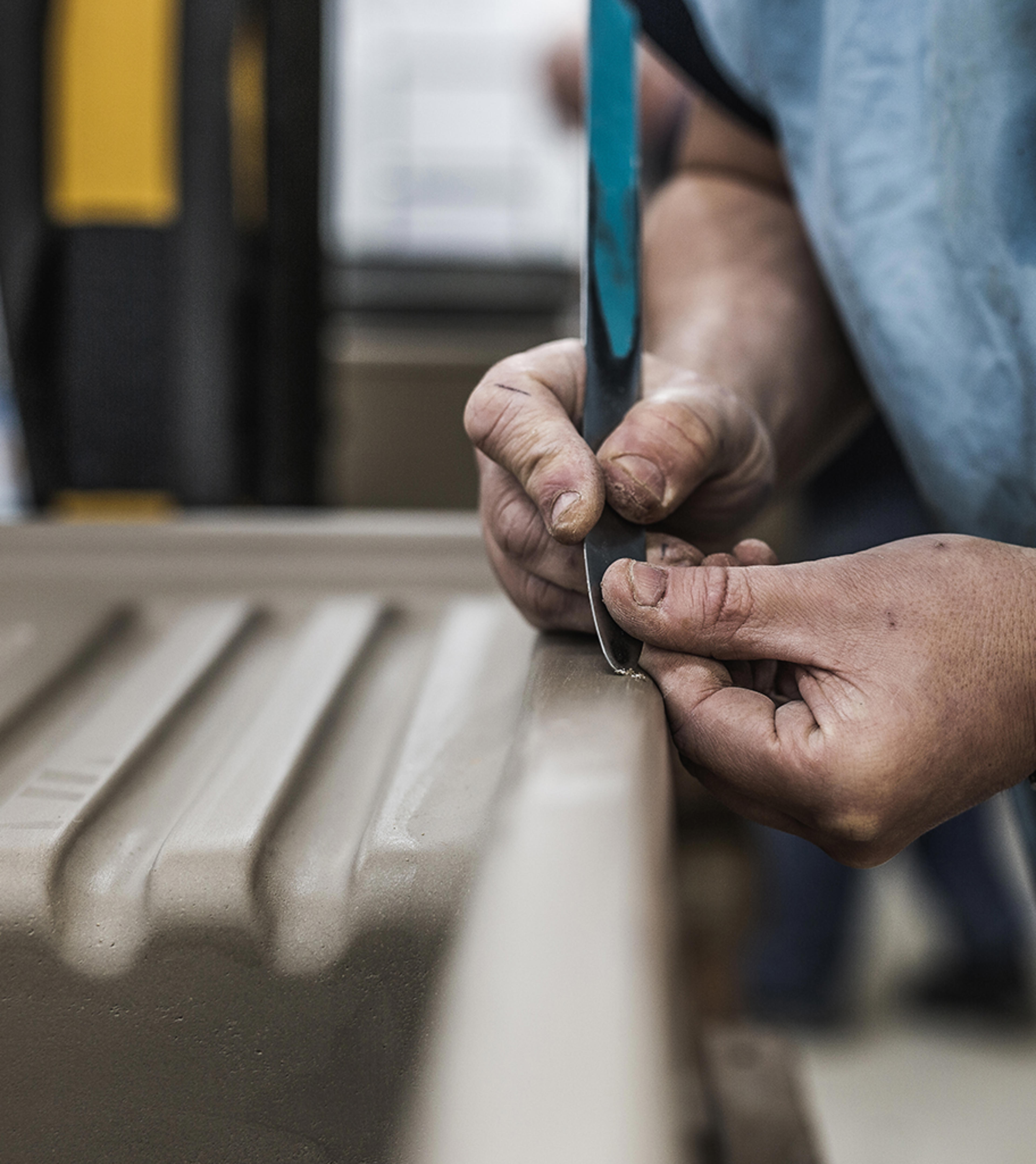
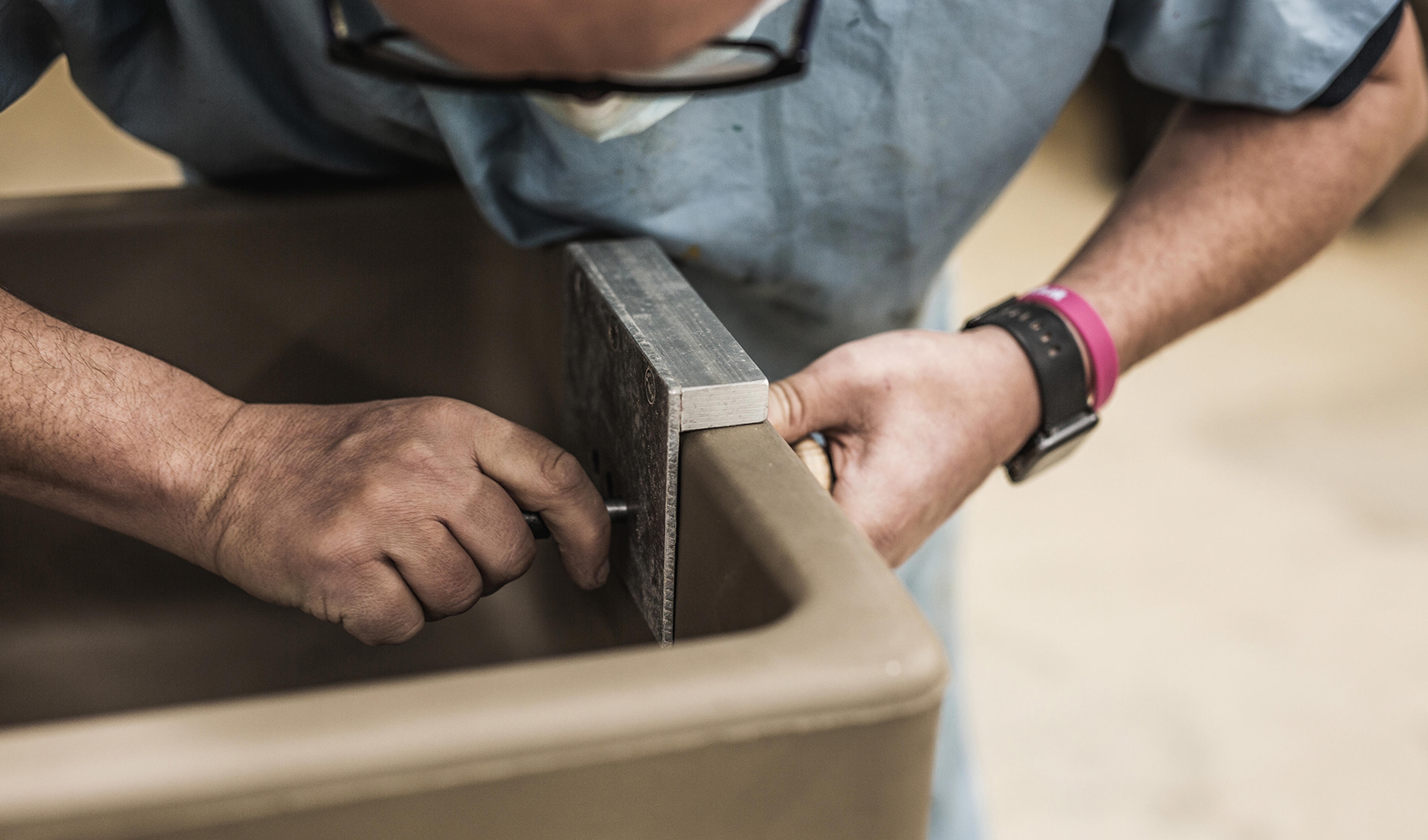
Then the maker stamps their name, and the year of production, and the sink is then dried at 110°C for two days.
Week 3
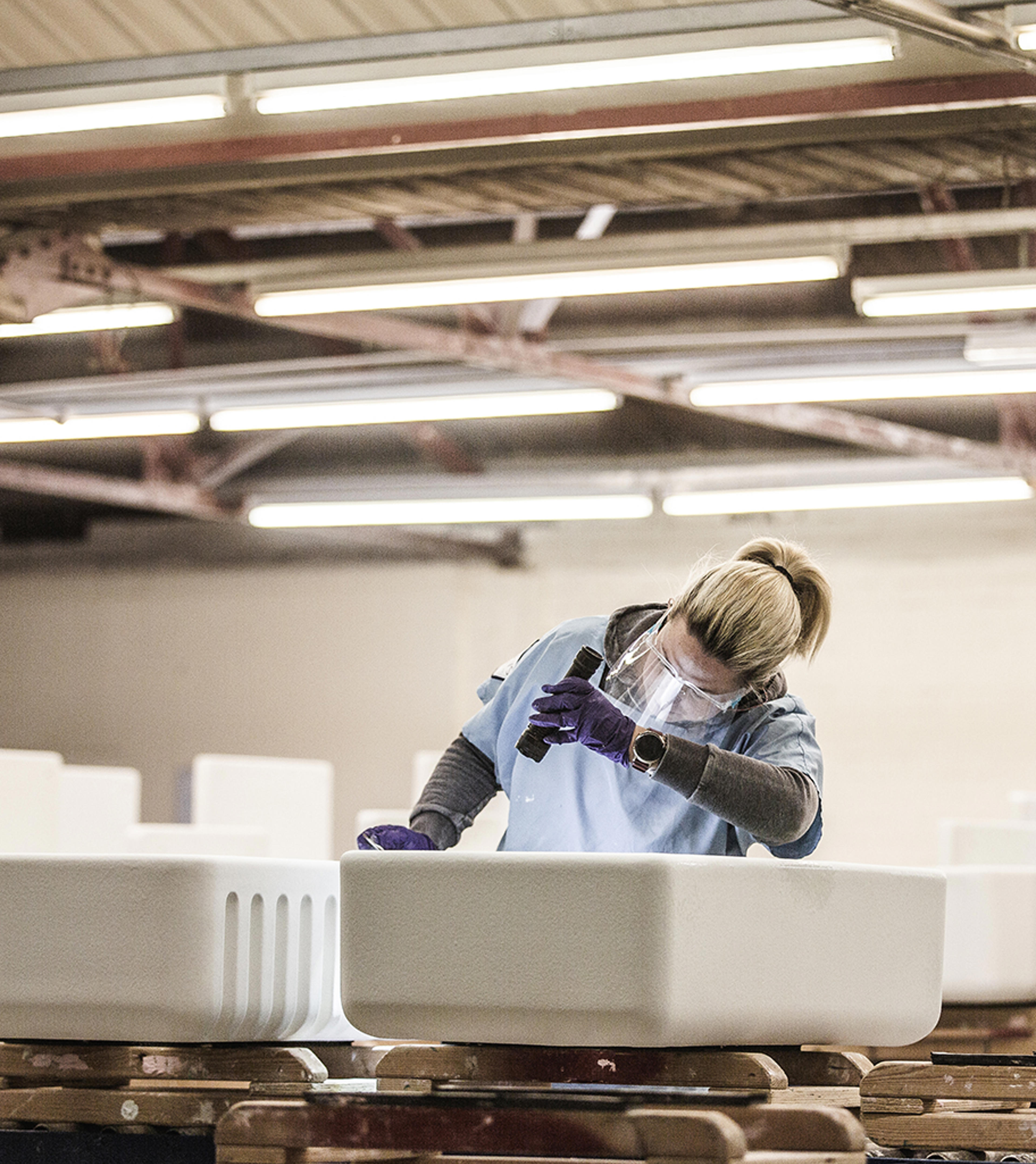
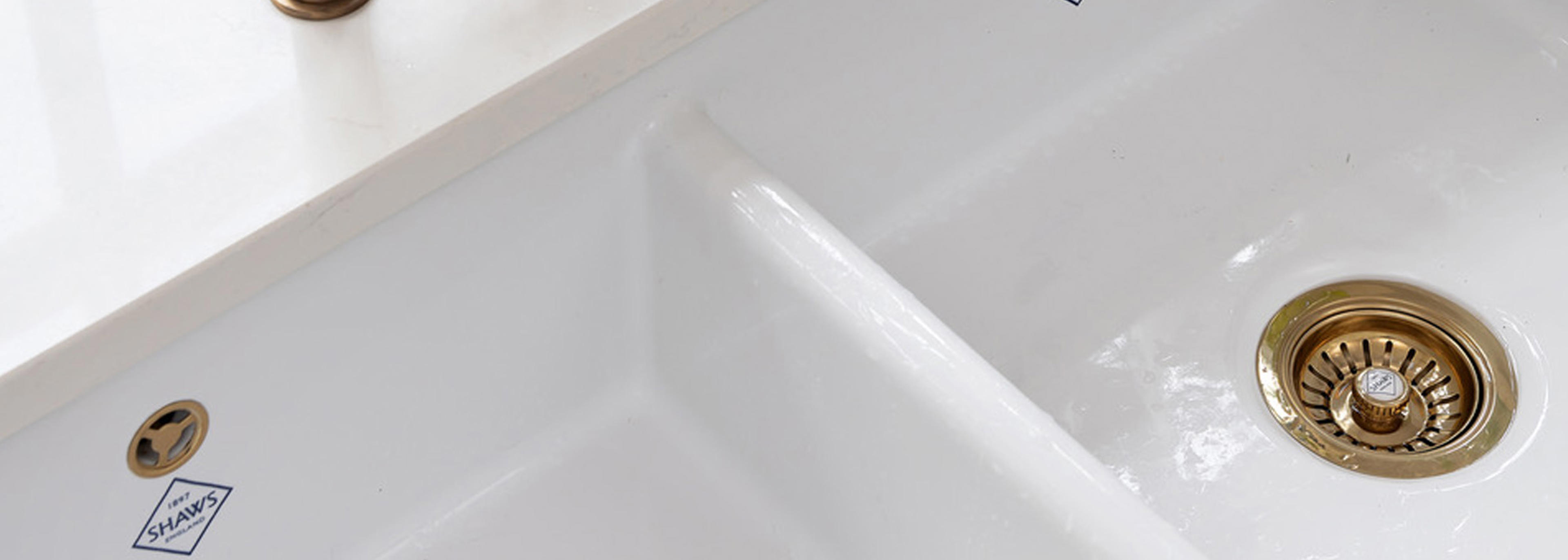
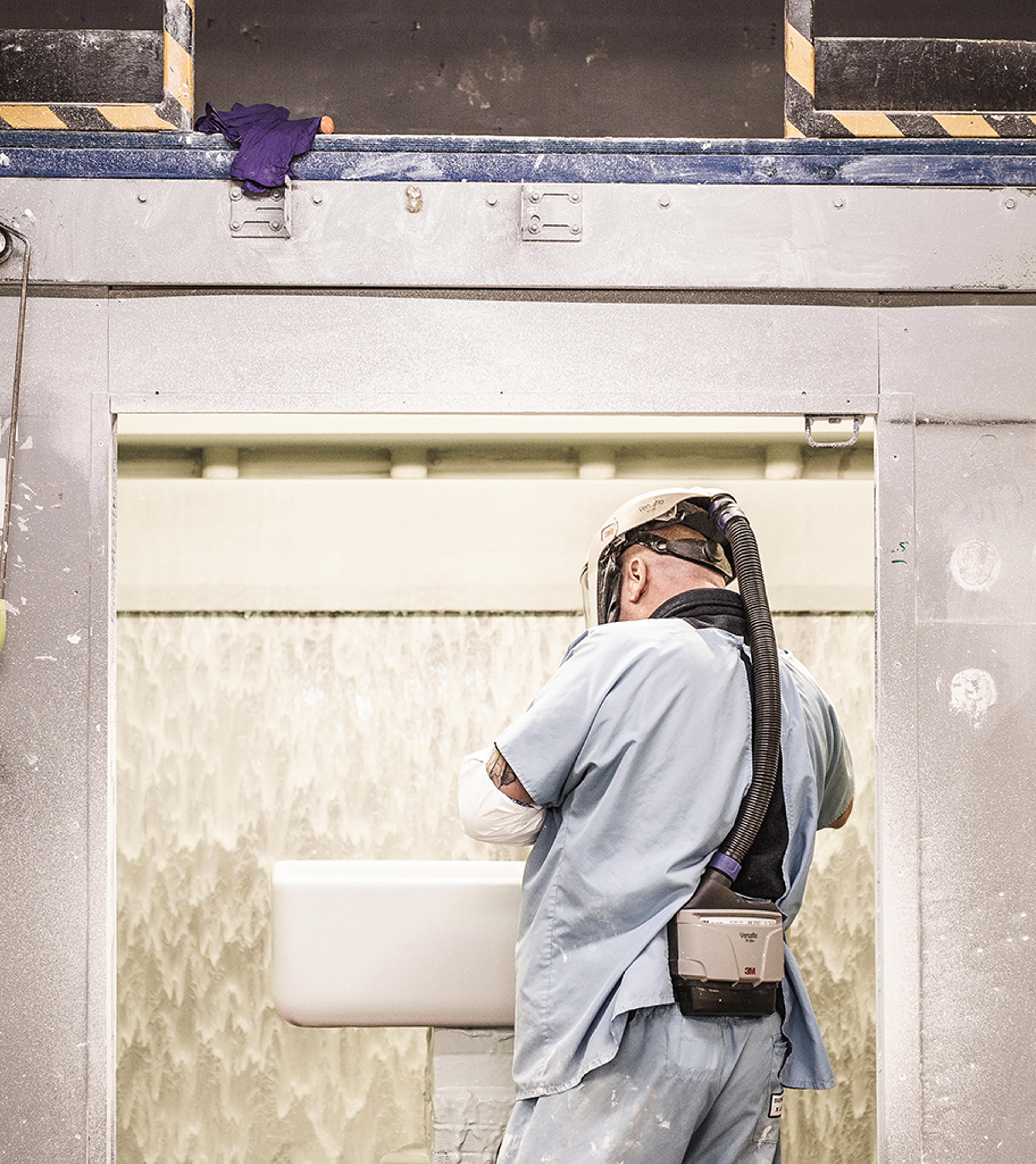
The sink is glazed by hand and then rested before a second glaze is applied. Once the finish is dry the sink is inspected. Only if the inspection team are happy is the Shaws’ blue diamond applied.
Week 4
The sink is prepared and fired at 1200 °C for 32 hours to fuse the heavy duty fireclay and the glaze. It then cools for 24 hours and is carefully inspected – twice. Only if it passes these two rigorous inspections will it be carefully packed for delivery.
This meticulous process produces a sink that is impact resistant, heat resistant, stain and scratch resistant, safe from chemicals - we make sinks for laboratories too! - and naturally anti-bacterial. That’s why we say that a Shaws sink has been handcrafted for life.